The short version
Tapaya gives POS providers, software platforms and developers certified card acceptance they can ship like any other feature. One SDK turns the phones, tablets and kiosks your customers already use into payment terminals. In-store and online run on one platform, white-labelled under your brand, and you set your own pricing.
Why payments are hard
A card payment takes about 120 milliseconds. Earning the right to accept one takes years: security certifications, card network approvals, processor contracts and audits. Most teams that try to build it themselves find that the code is the easy part. The rest is paperwork, partners and a review process that never really ends.
"Most payment providers hand you an SDK and leave the rest with you. We did the certification, the network approvals and the processor work first, so the hardest part of payments is already done when you start."
Petr Zahradník, Co-founder & CTO
What's already done for you
| Instead of building… | With Tapaya |
|---|---|
| Security certification | Tapaya is PCI Secure SLC validated and PCI DSS Level 1 compliant. |
| Acquirer and processor contracts | Acquirers, processors and payment rails are already connected. |
| Merchant onboarding | Fully digital KYB: merchants verify online, with no paperwork or site visits. |
| A pricing model | You set your own pricing, with IC++, blended or a mix, so payments add to your revenue. |
| Separate in-store and online stacks | One platform for the Accept SDK on Android devices and Tapaya Checkout (Embedded and Hosted) online. |
| Five vendors and a support inbox | One set of APIs for transactions, merchants, onboarding and payouts, and one team to call. |
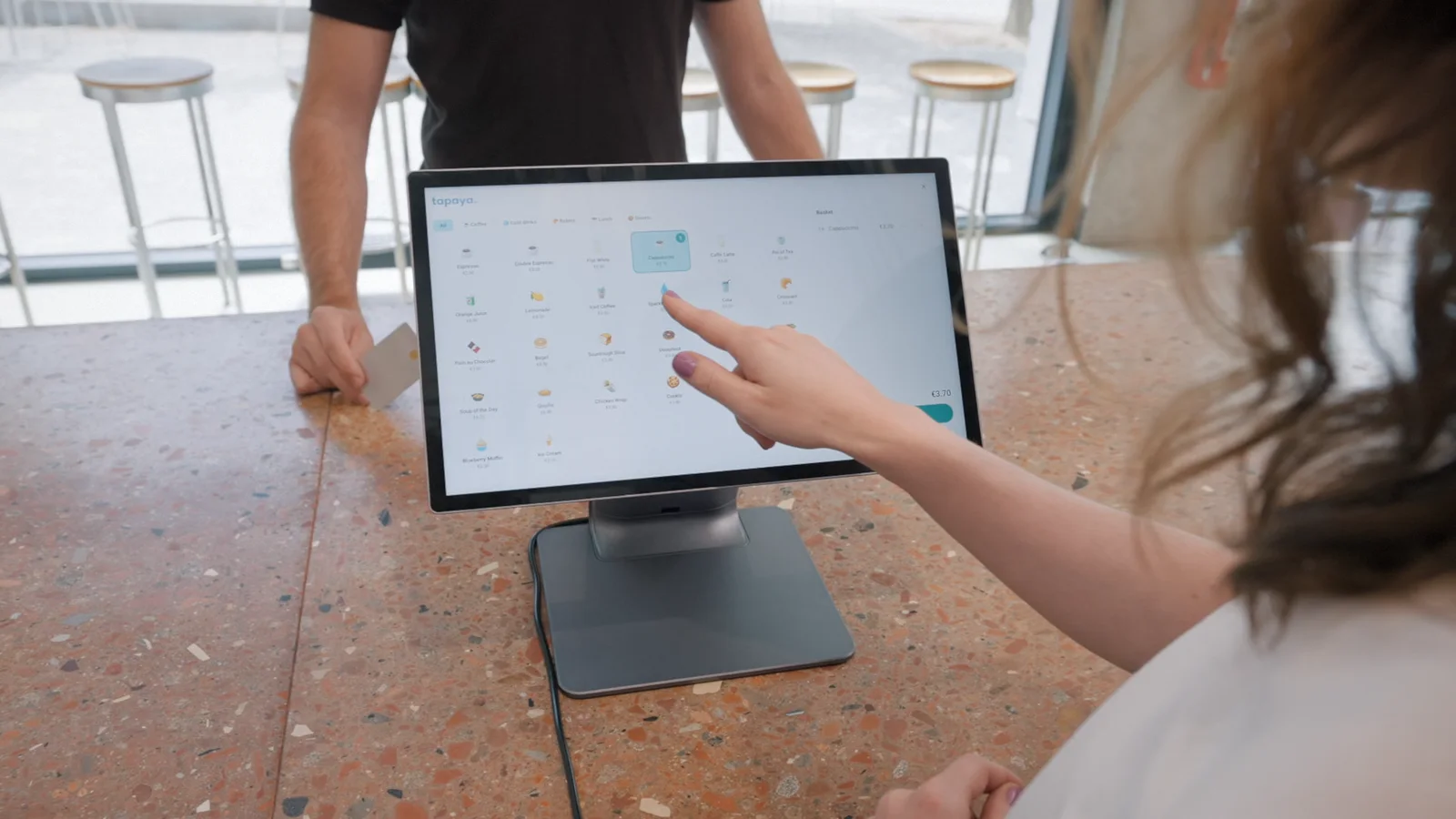
Your app, on the devices your merchants already use.
Your product, your brand
Tapaya runs inside your product, not next to it. Payments are white-labelled under your brand and your customers never see us. We build card acceptance into other people's software and we don't compete with our partners for their merchants.
For Czech POS providers, the timing matters: EET 2.0 takes effect on 1 January 2027, and Tapaya brings card payments and fiscal registration into the same SDK, so one release covers both.
Built for the first hour
Builders judge a platform by its first hour, so that's where we started. The docs are written for developers and AI coding assistants alike, with a Docs MCP server your assistant can search. The sandbox is ready from day one, and you get a named person to talk to, not a ticket queue.
"We built Tapaya so adding payments feels like shipping any other feature. You're building something great. We'll handle the payments."
Roman Kuchařík, Co-founder & CPTO
Frequently asked questions
Which devices can take payments with Tapaya? Android phones, tablets, kiosks and supported SUNMI terminals with NFC, running Android 11 or newer. Tap to Pay on iPhone is on the roadmap.
Can Tapaya run under our own brand? Yes. Tapaya is white-label: payments appear under your brand and your customers never see Tapaya.
Do we set the merchant pricing? Yes. Partners set their own pricing for their merchants, with IC++, blended or mixed models.
Does Tapaya cover online payments too? Yes. Tapaya Checkout handles card, Apple Pay and Google Pay online, as Embedded Checkout inside your site or Hosted Checkout on a Tapaya page, on the same platform as in-store payments.
Get started
Read the developer docs, watch the film on YouTube or talk to our partnerships team.